Under your feet in Paris, there are relics of a bygone era that few people bother to look at.
We walk looking at Google Maps, missing some crucial dark history.
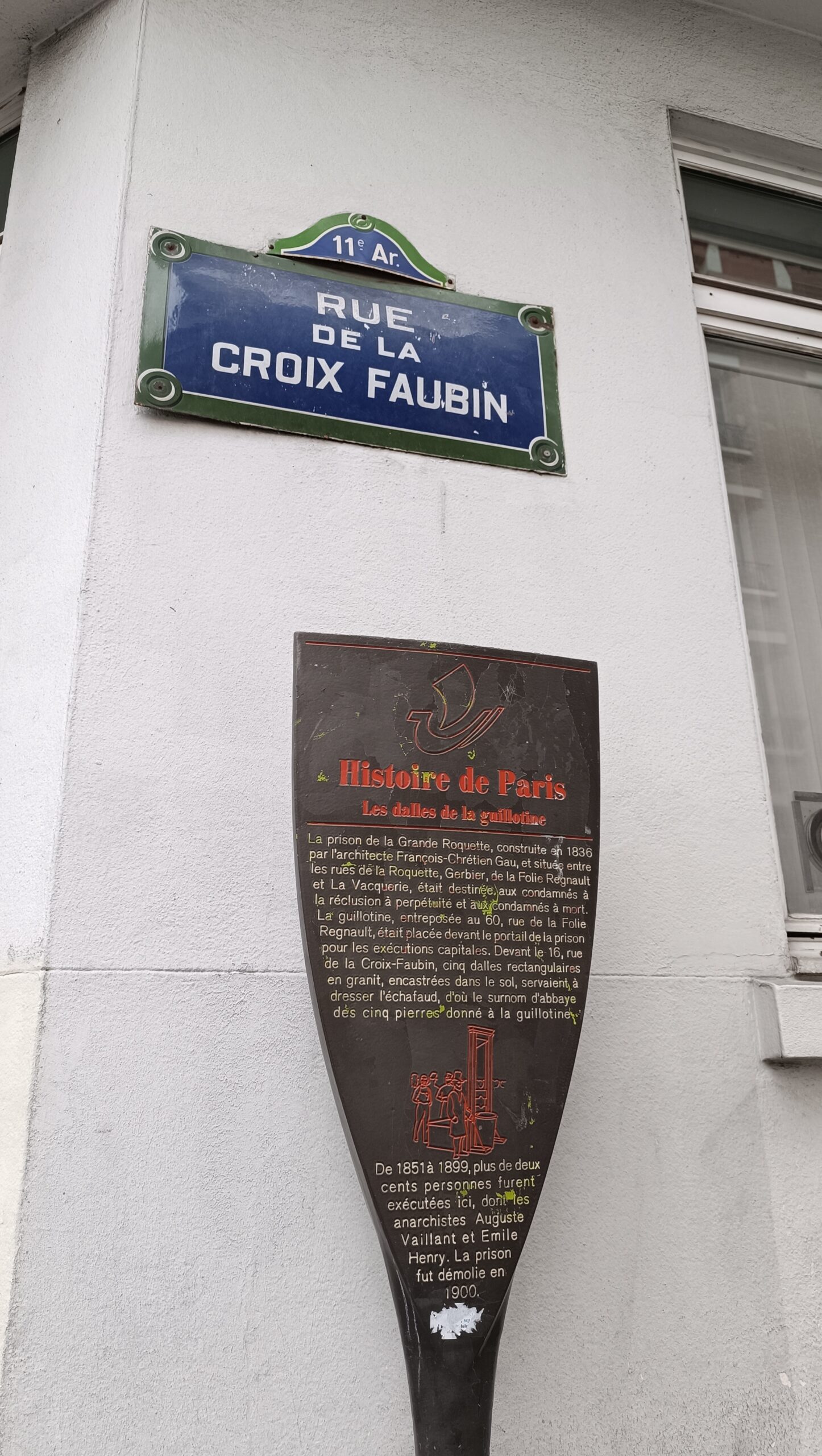
A stone’s throw from the main entrance to the Père Lachaise Cemetery, at the intersection of Rue de la Croix-Faubin and Rue de la Roquette, lie the last five slabs of the Paris guillotine.
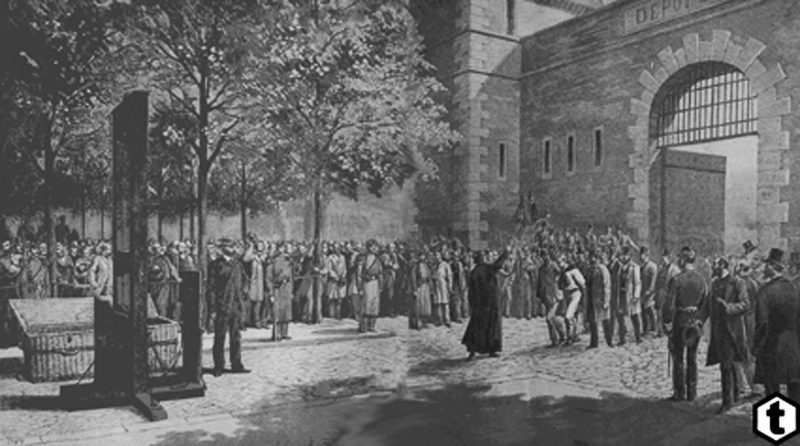
Located opposite the former Petite Roquette juvenile prison, which opened in 1851, around 200 prisoners are believed to have been executed there between then and 1899.
These prisoners were those sentenced to death at the Grande Roquette prison, whose executions were put on as a spectacle for the public.
Before the internet, people had different visions regarding entertainment. We’re a long way from K-dramas.
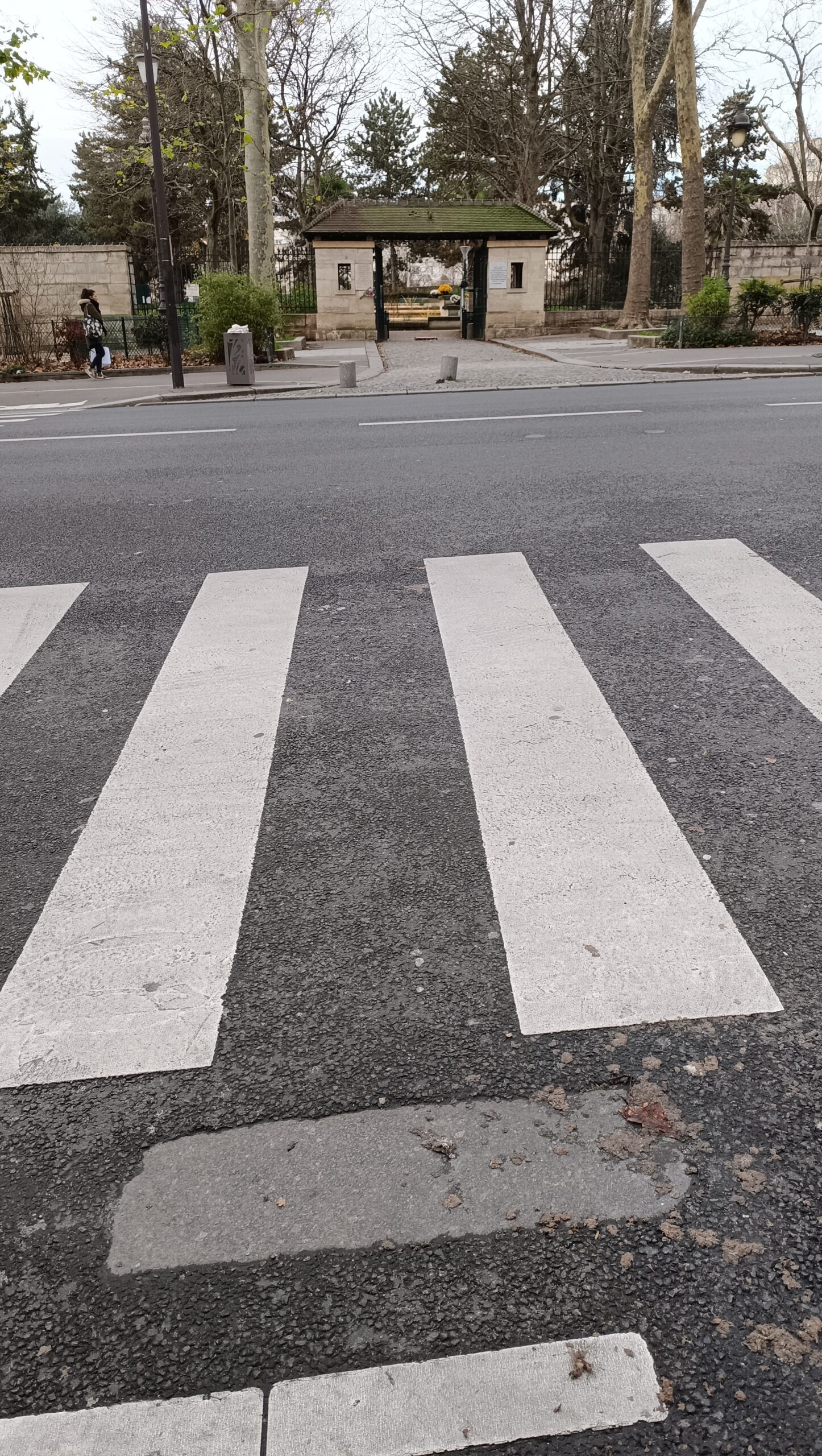
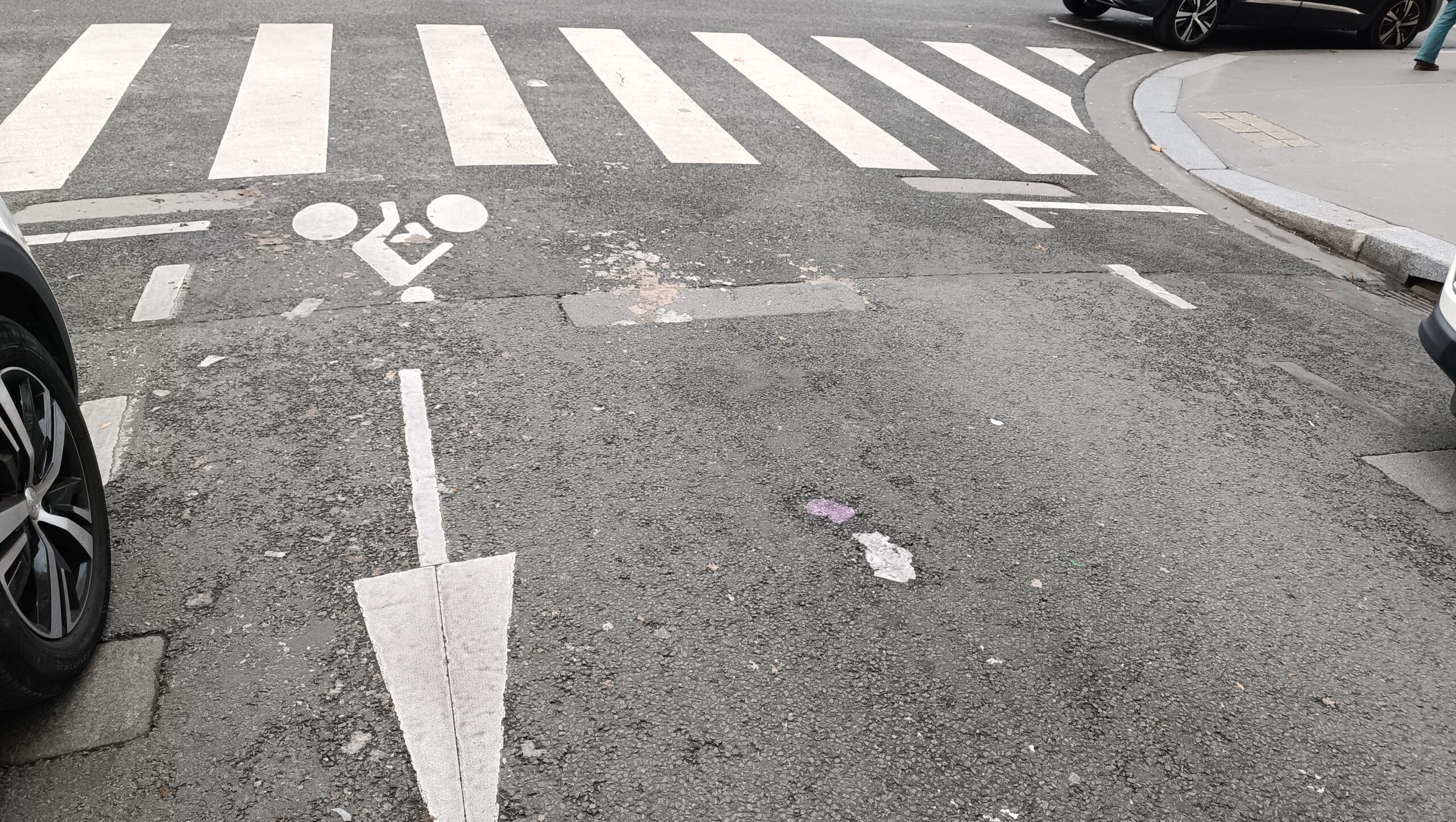
Today, only five granite slabs remain embedded in the asphalt.
They were used to support the guillotine’s frame. After the 1870 reform, which abolished the raised wooden scaffold to make executions less ‘theatrical,’ the guillotine had to be perfectly level on the ground.
These stones ensured that the blade would behead the convicts without a hitch.
Now, they are mostly ignored, covered with old chewing gum, or used as a car park.
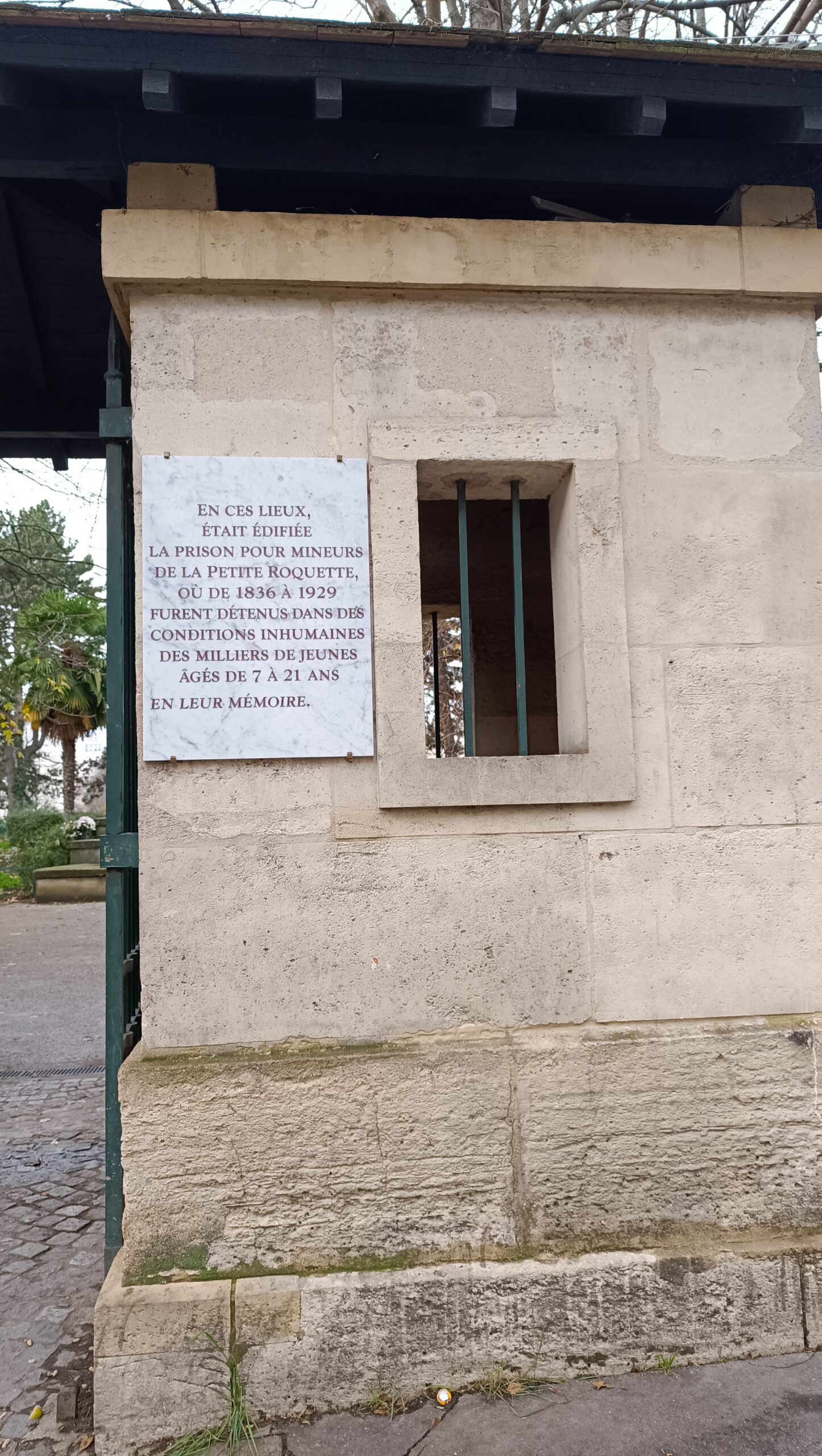
A plaque on the entrance gate of La Petite Roquette commemorates the prison, which was demolished and turned into a square.
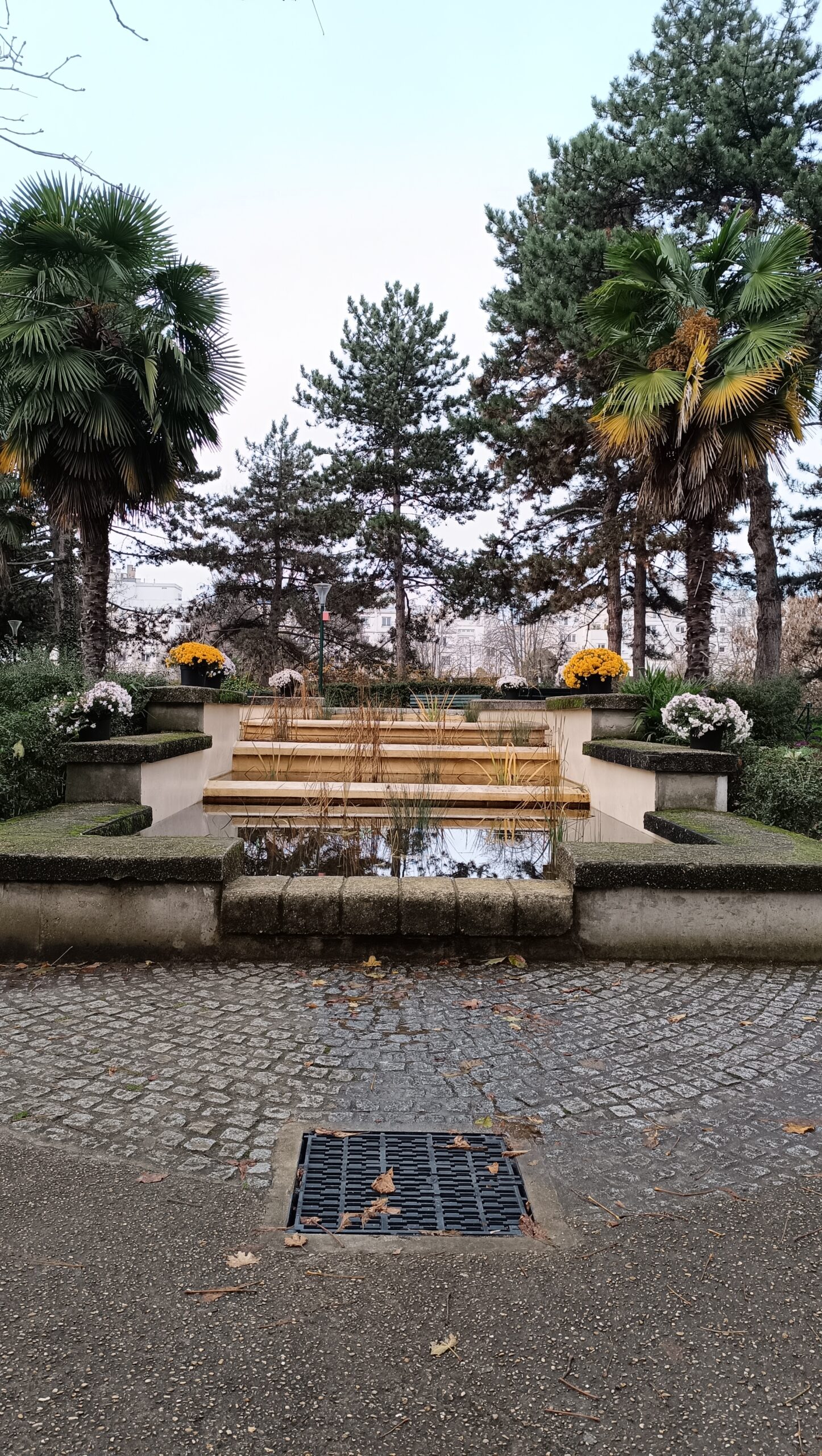
It’s surreal to think that people now exercise or walk their dogs in a small park where so many spent their final moments.