Chernobyl and the exclusion zone are located in Ukraine, approximately 130 km from Kiev.
IMPORTANT: Since the withdrawal of Russian forces from the exclusion zone in March 2022, the risk remains high. Visits are therefore still canceled for the time being. Mines are still being found on the site.
Please check the status of visits before planning a trip there.
This destination is what is more commonly known as “extreme tourism,” which broadly includes so-called “risky” areas such as Chernobyl, Fukushima, countries at war, urban exploration, abandoned islands, etc.
Chernobyl is a place known worldwide for its reactor disaster in 1986.
The exclusion zone includes towns within a 30km radius of reactor 4 and Pripyat.
A passport is required to visit the site on a guided tour.
Illegal entry is at your own risk and is strongly discouraged.
Entering the zone : a 2017 time capsule
Tour operators regularly organize guided tours of the area. It is even possible to sleep in a hotel in the exclusion zone and go on a torchlight tour, subject to the guides’ authorization. Three-day trips were also an option.
I can only talk about the day trip, as I didn’t visit all the areas over several days.
That was in 2017. Since the war, I imagine that everything is a little bit different.
The area I would have loved to visit was the basement of the Pripyat hospital, where radiation levels are sky-high because it is where the firefighters’ clothes from the day of the incident are stored.
Similarly, the parking lot where abandoned vehicles are stored and the shipwrecks are not part of the day trip.
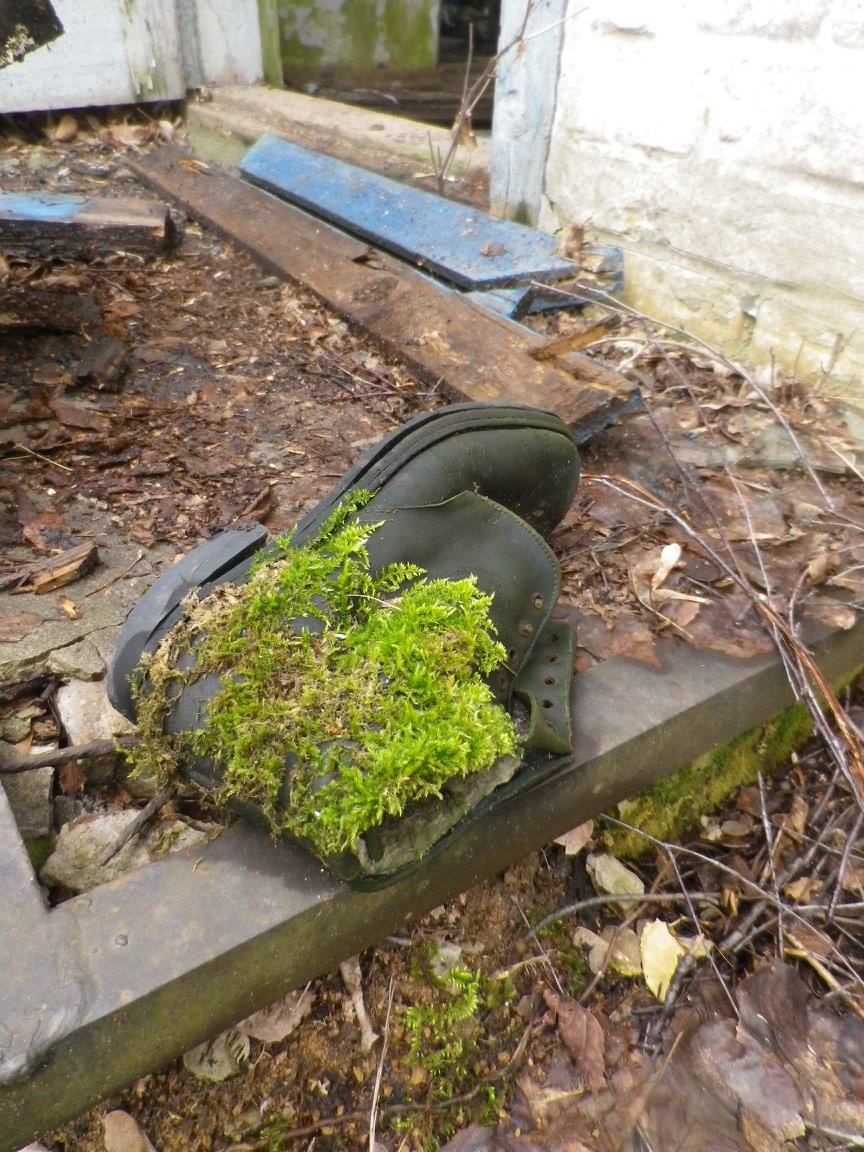
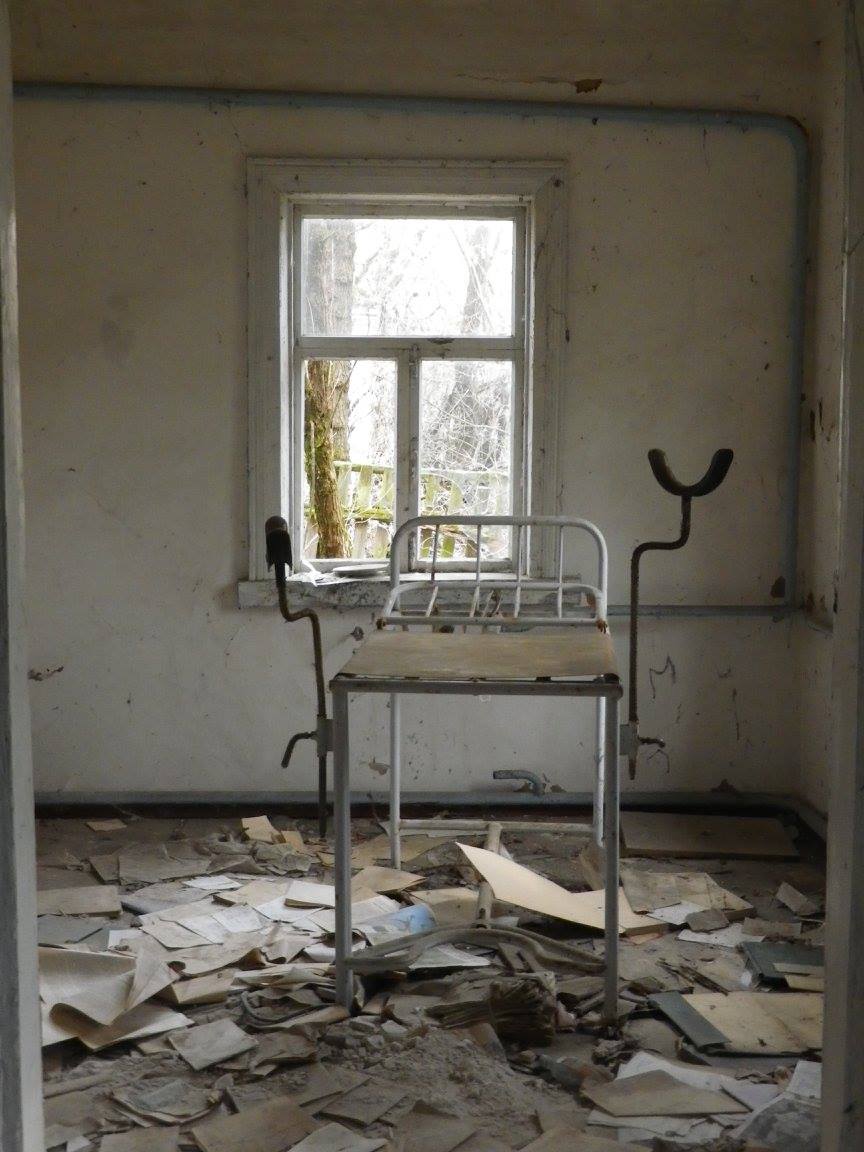
During the tour, we were able to visit Zalissya with its abandoned houses, shops, and tiny hospital.
The last resident had come back to live there. She died there in 2015 at the age of 87. At the time, she had to walk 5 km every day to eat at the reactor canteen with the workers.
The village is in an advanced state of disrepair.
It has been subject to a lot of theft, and nature has reclaimed what little remains.
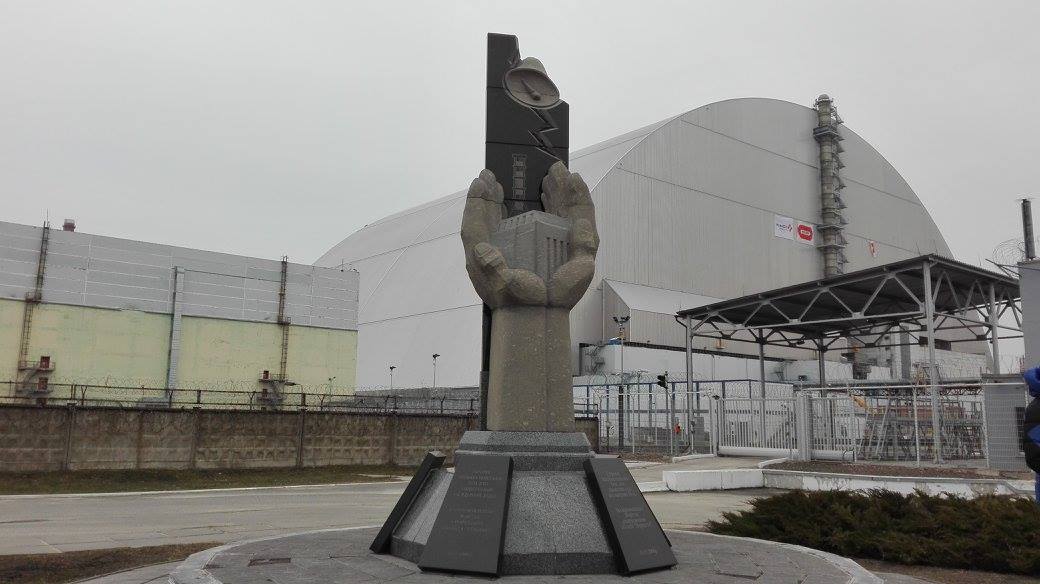
Then we headed to the memorial statues of the firefighters and the vehicles used to control the fire, before passing by the shipwrecks (sadly without being able to stop !).
It was at this point that I felt the effects of radioactivity the most.
My tongue started to sting, then burn, for about 100 meters. The rest of the bus didn’t seem to react, so I think it must depend on metabolism and sensitivity. It’s quite frightening when you don’t understand what’s happening to you at first. I can’t even imagine how the first responders must have felt in April 1986, at the peak of the emissions.
The secret base and the ghost nursery
We then left for the “secret base” of Chernobyl 2. On the way, there was a fake bus stop, to make people believe that there was a village hidden in the forest, but there was nothing there. It was the Duga Radar, a gargantuan radio station built to detect incoming American missiles.
The radioactivity level there is slightly higher than in Zalissya, but still quite low.
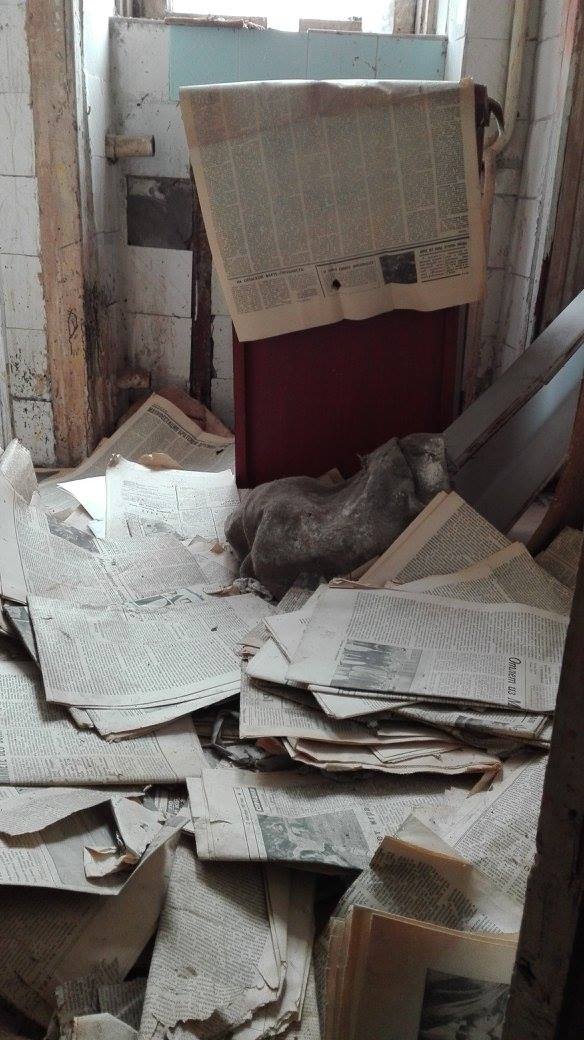
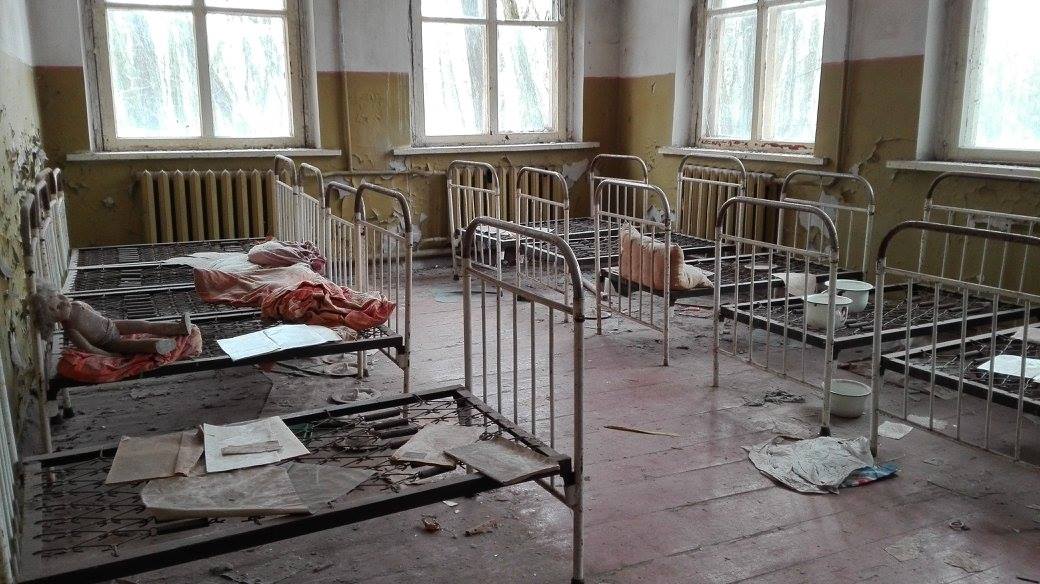
We were also able to visit the garage and the hospital (which still has beds and newspapers from 1986) before heading to the destroyed village and its daycare center.
The nursery is still fairly intact, with toys, drawings, slippers, beds, etc., but as soon as you get close to the trees or the ground, the radioactivity levels rise.
The village was destroyed because the houses were mainly made of wood.
When the power plant exploded, the wood absorbed the radioactivity, so the village and the red forest were razed and buried, but despite all this, the levels remain high there today.
We then took a souvenir photo in front of the welcome sign to the city of Pripyat, before finally entering the town.
The desolation of Pripyat
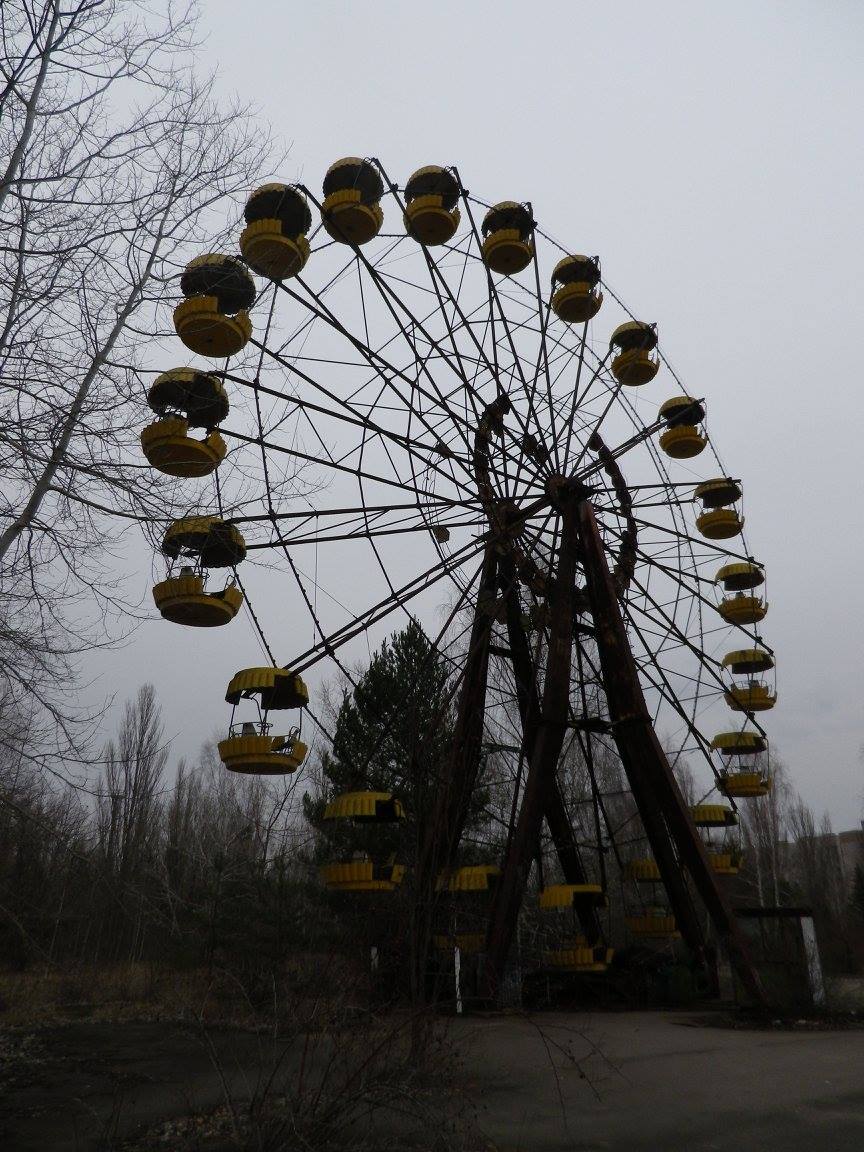
Whether or not we have studied the history of the incident, we all picture Chernobyl with its abandoned amusement park. That’s the first image that comes to mind for most of us.
It’s impressive to actually go there.
This is a rather inappropriate aspect of “dark voyeurism,” but it’s rare to be able to visit historical sites that still exist.
The buildings have been looted, everything is damaged and destroyed. T
he few things left are those that were hidden away or too difficult to carry.
Over time, there have been numerous online sales, regardless of the level of radiation…
That’s why, at the exit of the exclusion zone, they have installed radiation detection gates.
This prevents theft and the transmission of contaminated objects.
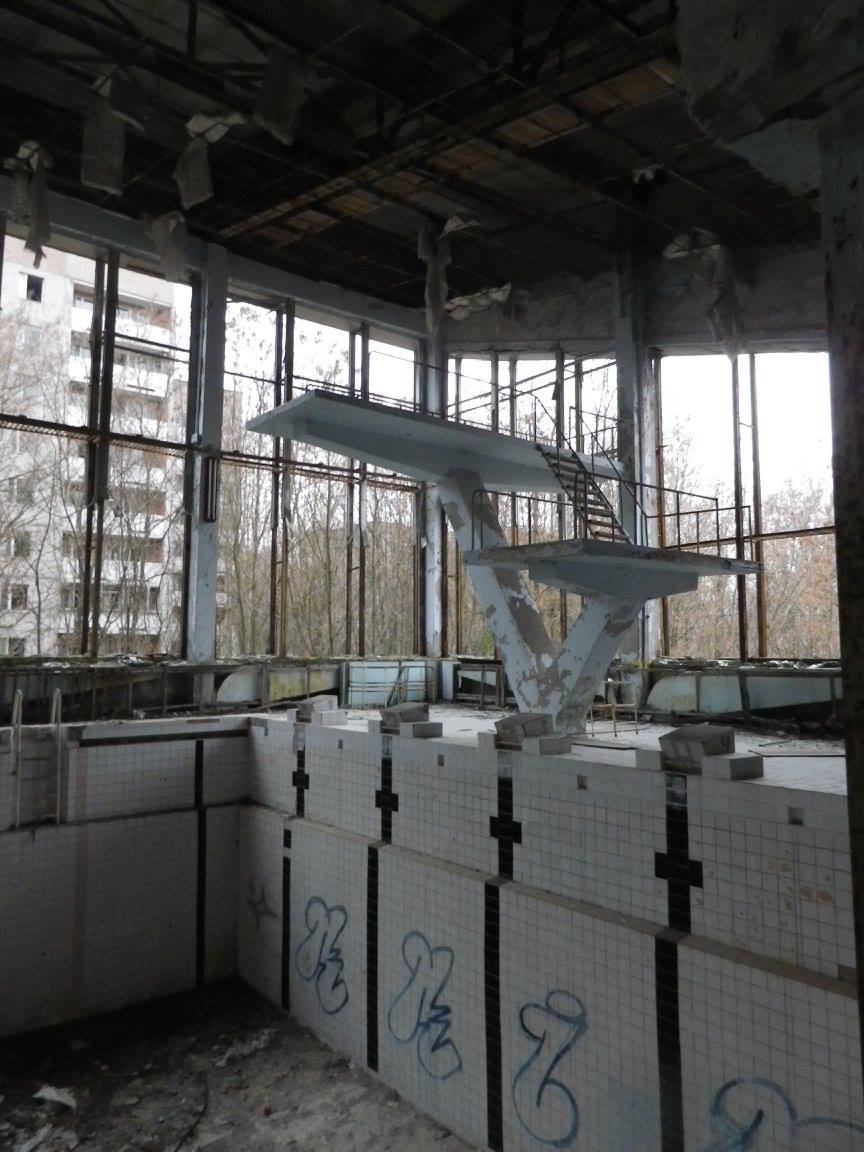
Vegetation has also taken over in Pripyat, both in the amusement park and in the streets. We were able to visit a supermarket, we passed by the police station, and we were able to enter a gymnasium and the city’s swimming pool.
The swimming pool where firefighters went to bathe after extinguishing the reactor.
Do you see where I’m going with this?
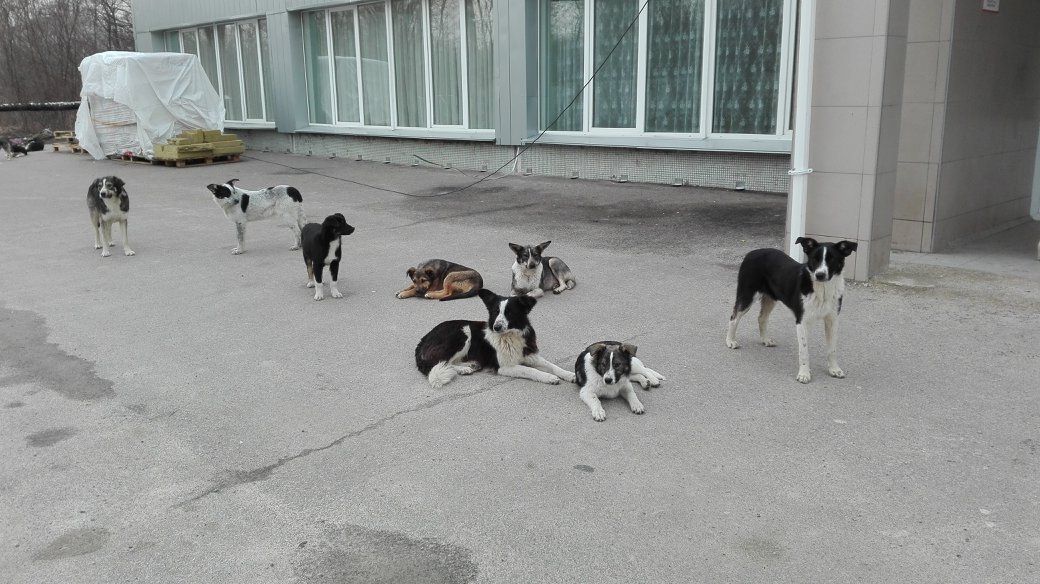
The exclusion zone is also full of stray dogs. An association is trying to take care of them remotely, and the reactor workers feed them.
These poor dogs sleep in the forests, and when you know the levels of radiation in the wood, it breaks your heart.
Where the Geigermeter screams
Our guide showed us at the entrance to the red forest. There are warning signs for a reason.
On the road, standing on the asphalt, the levels were at 0.45. He took two steps towards the woods and it rose to 2.25, then two more steps and it rose to 9.35, and when he finally got just in front of the forest, it exceeded 19, beeping continuously.
For those who are easily anxious though, don’t panic.
A visit to the site is roughly equivalent to eating three bananas (because yes, there is radioactivity in those).
So as long as we don’t live there, lick the moss, or take a dip in the reactor’s water coolant, it’s safe.
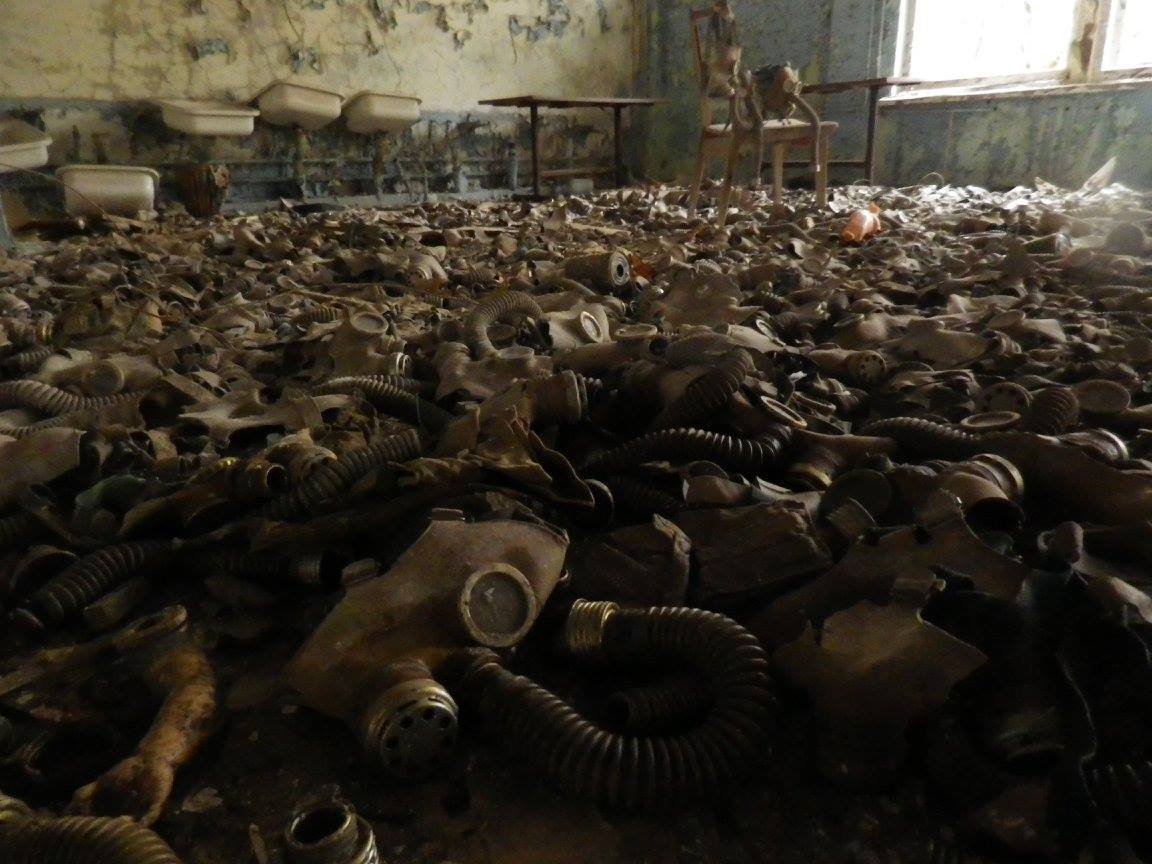
We ended the tour at the school. Deserted, emptied, except for one room.
It is filled with children’s gas masks. Hundreds of them are scattered on the floor…
The reality of the incident takes hold again.
A graveyard under the sarcophagus
We were also able to see the new sarcophagus covering reactor 4. It is still “leaking.” The original sarcophagus was initially designed to have a lifespan of only 30 years, so it was replaced in 2016.
In 2017, during my visit, the new one was already installed.
If I had known how safe it was, I’m not going to lie to you, I would have taken the 3-day trip.
Just for the experience.
But as a solo traveler in an unfamiliar country, in an exclusion zone managed by the Ukrainian army, I chose to go for a day rather than sleep there.
Now I regret it a little. The area has been partially destroyed by Russian attacks, and visits—if they have resumed—are a little more risky.
It’s a shame because it’s a part of history that has had such an impact on my generation.
We always rebuild on the ruins of other lifetimes anyway.
I would conclude by saying that although it remains a destination for “dark tourism,” it is above all an open-air cemetery. The reactor explosion killed 30 people in the weeks that followed, and hundreds more died as a result of exposure to radiation.
As with all other visits, please respect the site.
And again, don’t lick anything.